PfPs Fellowship Program
- Home
- /
- For Professionals
- /
- PfPs Fellowship Program
Fellowship in Embodied Social Justice in Mental Health
An 18- Month Fellowship program starting May 2026 to October 2027
Overview
The Fellowship Program at Pause for Perspective began in 2020, and we are currently in our sixth training cycle. Over the years, the Fellowship has grown into a space for rigorous training and development of mental health professionals who are committed to leadership in community and psychotherapy practice. The Fellowship has become a collective space rooted in community, solidarity, and generativity within liberatory mental health work.
The program is now called the Embodied Social Justice in Mental Health Program, a name that reflects the grounding of our work at the intersections of mental health and social justice. Our articulation of mental health practice through somatic approaches and social justice frameworks affirms this renaming. The Fellowship is open to mental health practitioners who have completed a Masters in Counseling, Applied, or Clinical Psychology, a Post Graduate Diploma in Psychological Counseling, or training as expressive arts therapy practitioners. It supports beginning and intermediate practitioners (typically with 0–5 years of experience) to grow as leaders and community space-holders with a clear vision of building mental health spaces that stand in resistance to, and negotiation with, the pathological frameworks dominant in mainstream mental health.
The explicit aim of the Fellowship is to support Fellows in making mental health accessible to marginalized communities. This requires mental health practice to be decolonial, anti-caste, queer affirmative, disability-justice centered, informed by neurodiversity and MAD pride, and fundamentally embodied in its understanding of mental health.
This full-time, in-person program at Pause for Perspective in Hyderabad offers a monthly stipend for practicum and community work, along with training in various modalities at a subsidized fee. The 18-month structure nurtures a co-generative learning environment aimed at building communities of care.
The Fellowship was previously known as the Fellowship for Mental Health Advocacy for Individuals, Children and Their Families (FMHAICF).
The Program:
Practicum
Practicum: The Fellowship practicum entails two main components:
- Working within the mental health space at Pause for Perspective offering therapy at a sliding scale for those from marginalised identities. Fellows will be supported via individual and group supervisions to hold space for this practicum.
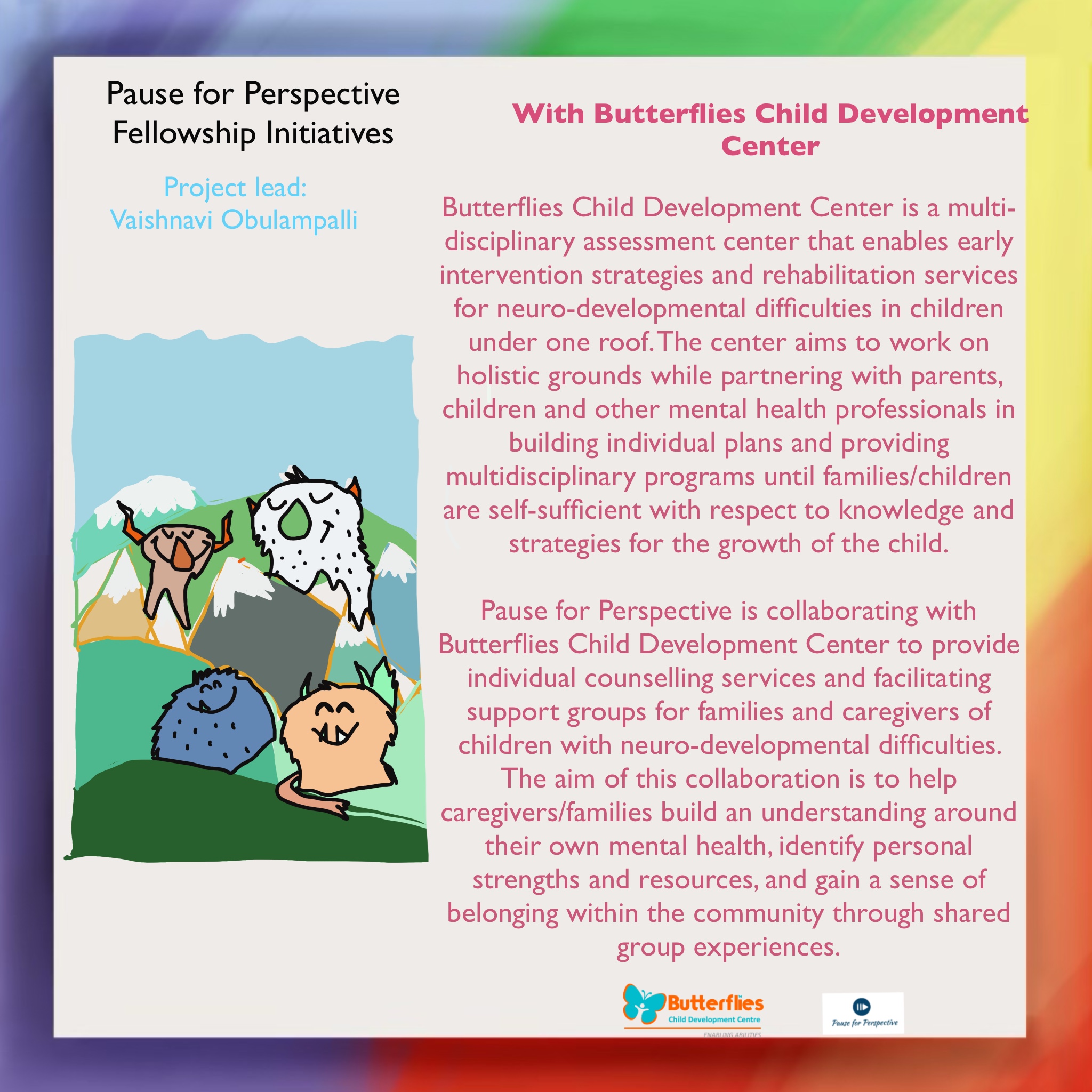
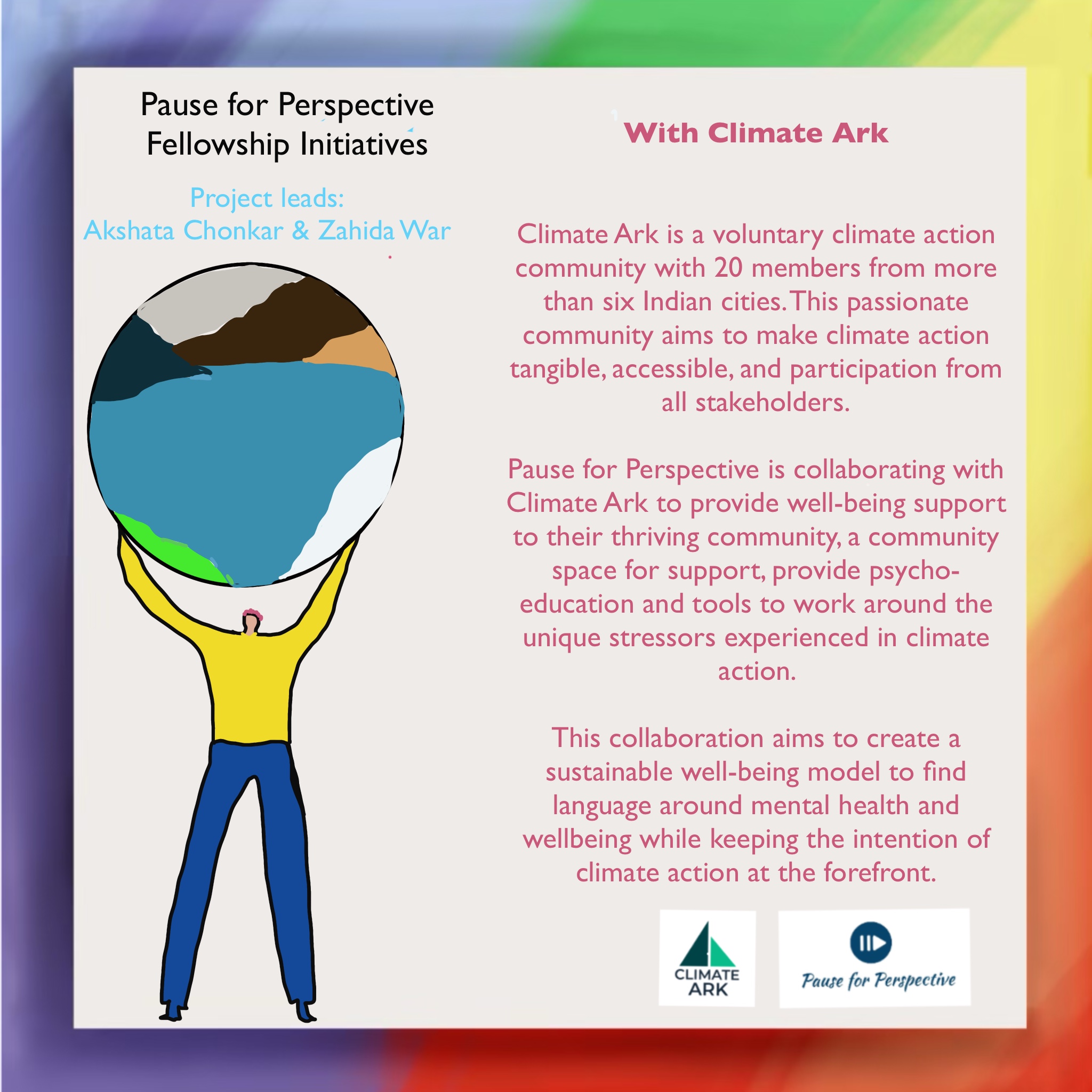
- Fellows will also be nurturing and building into community mental health by working with marginalized communities at Pause for Perspective as well as with communities that Pause for Perspective is in collaboration with. Group training and supervision is offered for community mental health work as well. Group supervision hours for the 18 months total up to 180 hours and Individual hours total up to 36 hours. Your Practicum hours will be 45 hours for therapy and close to 25 hours for community mental health work per month. Stipend is offered for the practicum as well as the community work.
Training
Training: The Fellowship includes a series of ongoing training modules on embodied social justice. Training will cover:
Somatic explorations (120 hours)
- Exploring the body as a site of liberation, protest and resistance. Weaving this framework into noticing, sitting with and responding to conditioned tendencies within our bodies, shared spaces and collectives.
- Understanding the ethics of embodied practices in mental health, in the context of mindfulness and its connection to anti-caste Buddhist practices indigenous to India.
- Exploring somatics, somatics informed psychotherapeutic practices and group-based practices to integrate into your work
- Learning to resist the ‘McMindful-isation’ and pathologization of the body
- Working towards the social justice goals of somatic work
Neurodivergence and MAD Studies (50 hours)
- Understanding and addressing the needs of neurodiverse populations.
- Exploring MAD studies and their implications for mental health practice.
- Locating the psychiatric and mental health complex within the Indian context and bringing a critical perspective to mental health in India
- Exploring the current framework of understanding mental health among marginalized in India and locating our work in the context of mental health and social justice in India.
Anti-Caste Framework(90 hours)
- Reading, Embodied practices and reflection on caste
- Exploring Anti-Caste Liberation
- Working towards anti-caste mental health practice framework
Queer and Trans Affirmative Work (50 hours)
- Understanding unique life stressors and queer trans joy
- Affirmative practices for supporting queer and trans individuals and collectives.
- Ensuring that psychotherapy is queer affirmative
Narrative Practices Training (75 hours)
- Training in postmodern therapies for individual, couples, and group counseling.
- Integrating a disability justice and transformative justice-based framework in our practice.
Qualitative Research (72 hours)
18 month long, structured immersion into qualitative research, guiding Fellows step-by-step from foundational concepts (positionality, philosophies, methodologies) to practical skills (literature reviews, recruitment, data collection, and thematic analysis), supported by monthly Q&A sessions to consolidate learning.
A practice-based pathway to develop a complete, publication-ready research publication and/or proposal, where Fellows engage in a collective project gaining mentorship and organisational alignment to work towards publishing,
Embodied Ecology (54 hours)
Reconnect mental health with land and ecology by moving beyond clinic- and Western-centered frames into nature-based, indigenous, and community-rooted ways of knowing through soil, plants, food, and local ecosystems.
Engage in experiential, justice-oriented ecological practices such as learning about soil health, tending to gardens, walking and being in nature, and exploring how aliveness, injustice, and justice-making emerge through relationships with land and people.
Weave ecological wisdom throughout the 18-month Fellowship, integrating nature-centered inquiry with other modules to support a decolonised, debrahmanised orientation to mental health that links material practices with reflective, community-grounded conversations.
Trainings are a mandatory part of the Fellowship and are offered at a subsidised cost payable in two instalments
Partial Scholarship for training is available for people with marginalisation which are available for people with caste marginalization. If you would like to be considered for the scholarship, please email us this information during the application process.
Stipend and Fees
Stipend is Rs.25,000/-p.m.
Fees for Training Rs.90,000/- for 18 months. (Payable in two instalments first instalment-April 30th 2026 and second instalment-October 31st 2026)
What will the Fellows get from the training:
Some of the things that have been special for our Fellows are that the Fellowship offers:
- An immersion into learning and practice of liberation based mental health practices
- Supervisory, mentoring support and peer led support to enhance community solidarity while practicing as Mental health workers in the field
- Access to understanding one’s own ways of being and leadership in working with community spaces
- Leaning and learning into the nuances of social justice and broadening ones hopes and vision for the collective
- Leaders, specialists, teachers, and supervisors at the end of their training
- Our graduates go on receive opportunities such as, to join Pause’s leadership, complete their PhD, work in the developmental sector and public mental health, become supervisors and teachers at different organisational spaces and community mental health workers and are independent practitioners.
Admission Criteria
This is an 18-month full time paid Fellowship for people who have completed their Masters or Post Graduate Diploma in Clinical Social Work, Psychology, Counseling, Clinical psychology, EXA practitioners.
Application Procedure
- Email us at aarathi.selvan@gmail.com with your updated CV and a statement of purpose describing your background, previous work experience in the field of mental health (if any), what are your hopes from working with us through this Fellowship and why you believe you are a good fit for the program. The SOP must not be less than 1000 words.
- Please send us an email with the subject line “Application for Fellowship – Your name”
NOTE: We may lose the mails if the subject line is not followed. In case you don’t hear from us within 3 working days, please write back to us.
An interview with the team with be held.
Deadlines
NOTE: Deadline extended to 7th Feb 2026
Last date for submission of applications: 31st Jan 2026
Interviews: Feb 1st to March 15th 2026
Announcement of results: March 15th 2026
Fellowship Start date: 02nd May 2026
Fellowship End date: 31st October 2027
Program Faculty
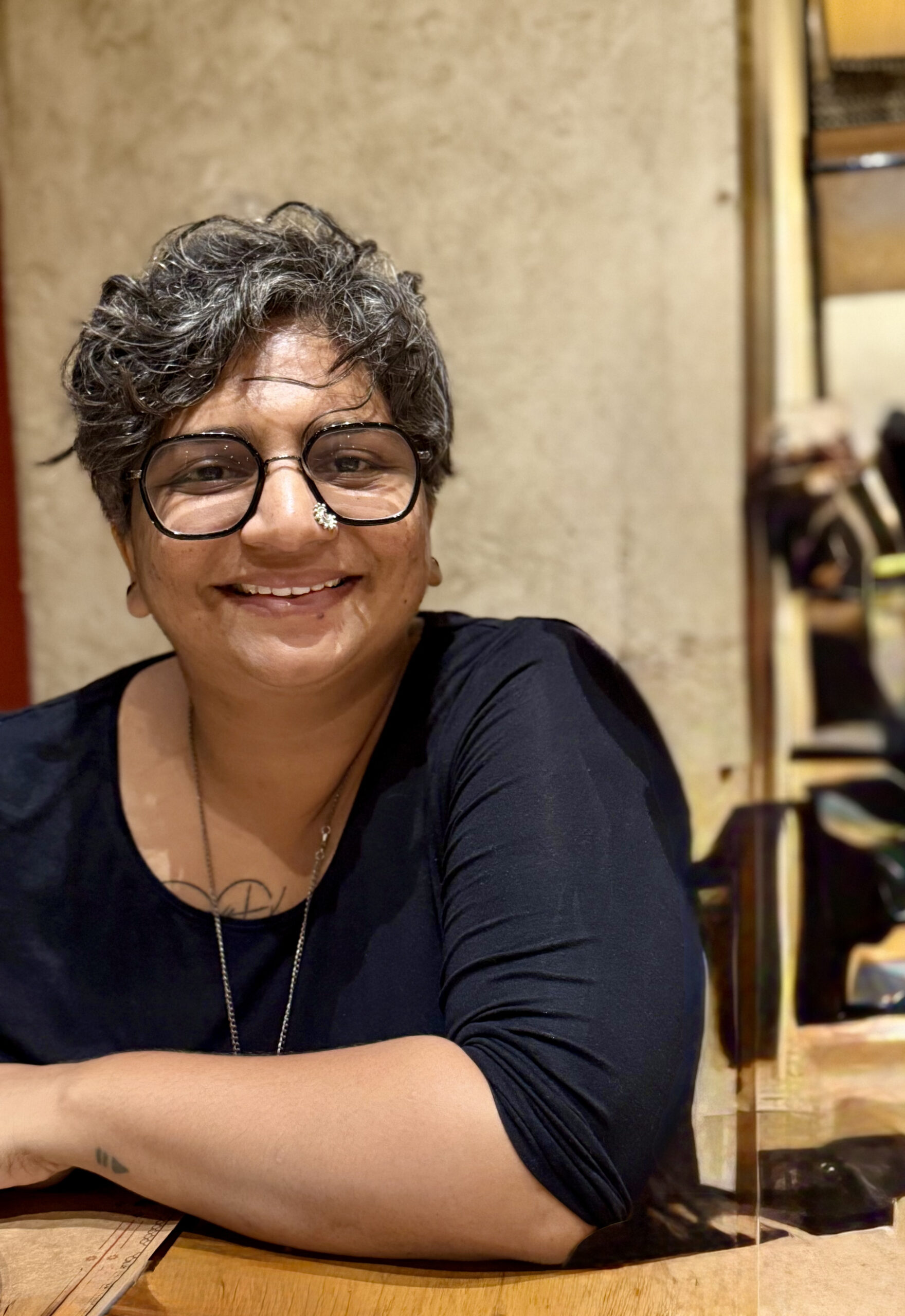
Aarathi
They/Them
Dr.Aarathi is the primary clinical lead for this program. They are faculty and supervisor for group sessions. They will be joined by a team of practitioners and guest faculty who will supervise lead and mentor the Fellowship team throughout their 18-month Fellowship program. To know more about Aarathi click here
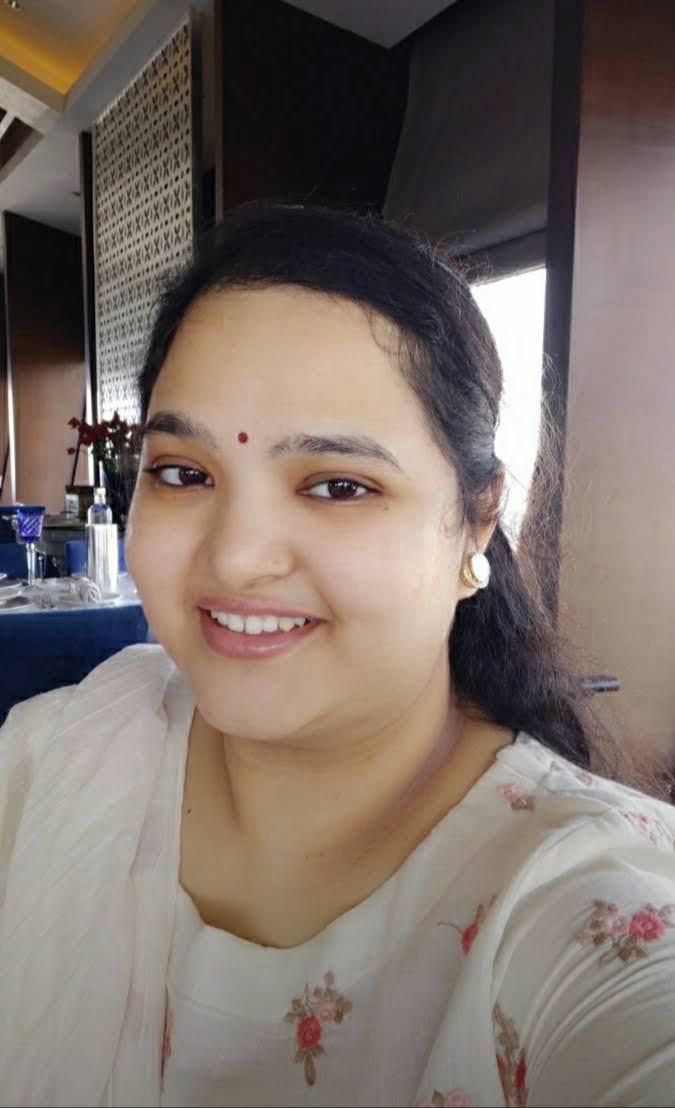
Divya
She/her
Divya is a clinical supervisor for individual supervisions for Fellows and a faculty for Narrative Practices. To know more about Divya click here
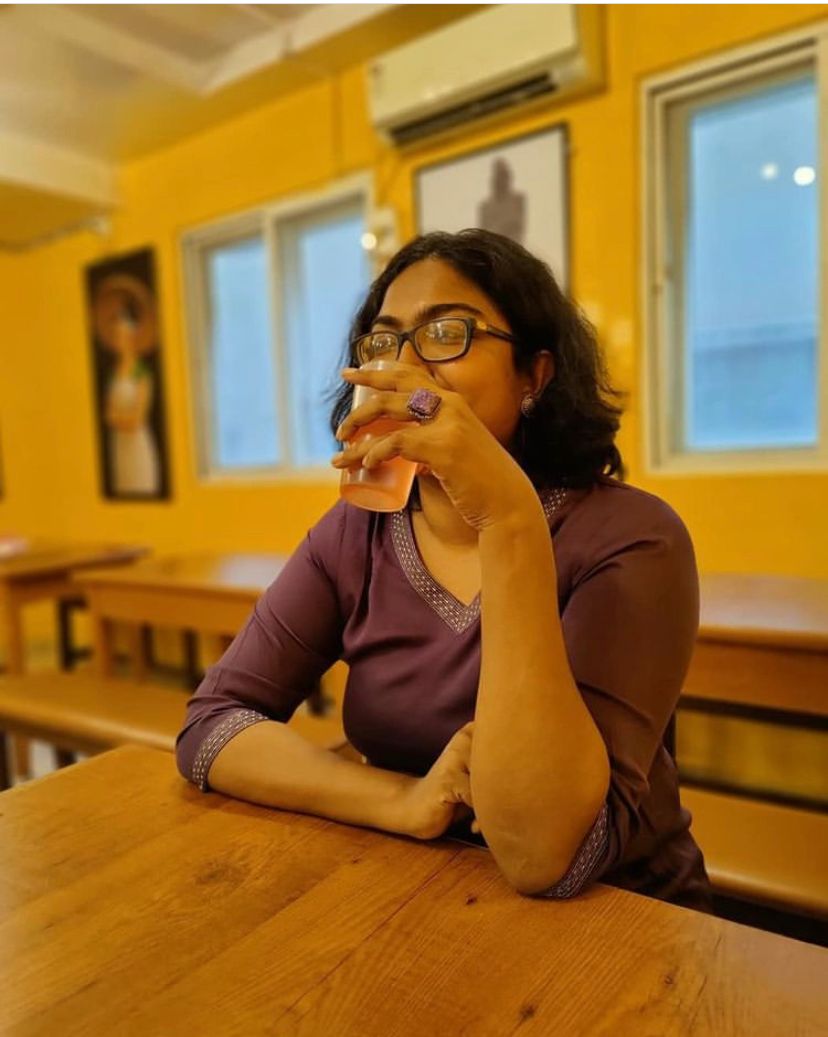
Meherin
They/She
Meherin is the primary ARC facilitator and faculty for the ND and Embodied Social Justice. They are also a clinical supervisor for group sessions. To know more about Meherin click here
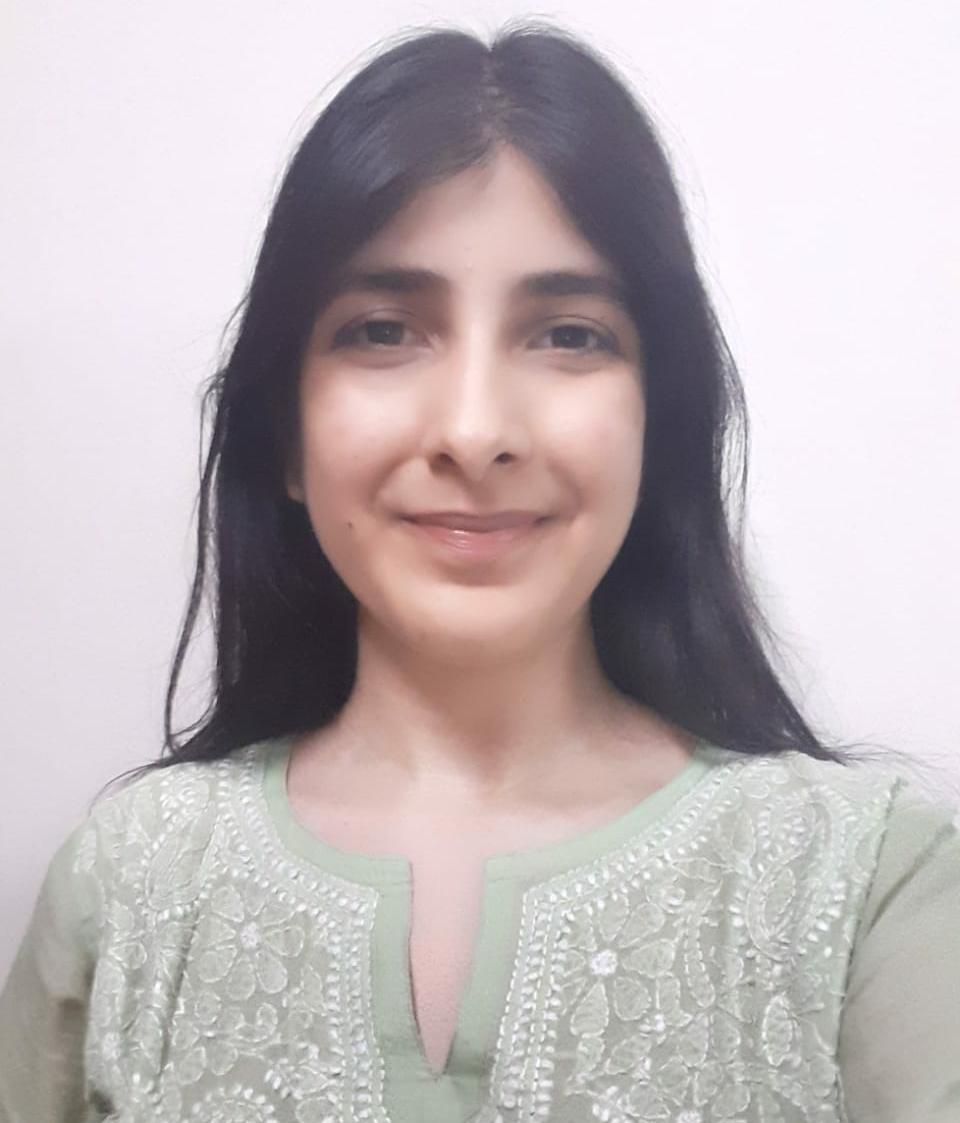
Eera
She/her
Eera is the faculty for children’s work, ND training, Narrative practices and community training modules for the Fellowship program. She is also a clinical and community work superivisor.To learn more about Eera click here.
Manasi
She/her
Manasi is the faculty for children’s work, ND training, Narrative practices and community training modules for the Fellowship program. She is also a clinical supervisor for the Fellowship. To learn more about Manasi click here.
Gayathri
She/her
Gayathri is the faculty for Narrative practices and community training modules for the Fellowship program. She is also a clinical and community work superivisor.To learn more about Gayathri click here.
Rachana
She/her
Dr.Rachana is the faculty for children’s work, ND training, Narrative practices and community training modules for the Fellowship program. She is also a clinical supervisor for the Fellowship. To learn more about Rachana click here.
Nida
She/her
Nida is a faculty for ND training and a clinical supervisor for the Fellowship. To learn more about Nida click here.
Trisha
She/her
Trisha is the faculty for QACP, ND training, Narrative practices and IMBPT modules for the Fellowship program. To learn more about Trisha click here.
Namrata
She/her
Namrata is the faculty for children’s work, ND training, Narrative practices and couples work modules for the Fellowship program. To learn more about Namrata click here.
Sammy
She/her
Sammy is a Faculty for QACP, ND, Couples, Embodied Social Justice training and EXA integrations into the ESJ Fellowship. She is also a clinical supervisor for the Fellowship program. To learn more about Sammy click here.
Shoba
She/her
Dr. Shoba Nayar is an academic, mental health occupational therapist and Tarot Reader.She is passionate about supporting researchers and clinicians interested in conducting and publishing qualitative research in a rigorous, reflexive manner. Shoba is the primary Research faculty for the Qualitative Research module
Praveen
He/him
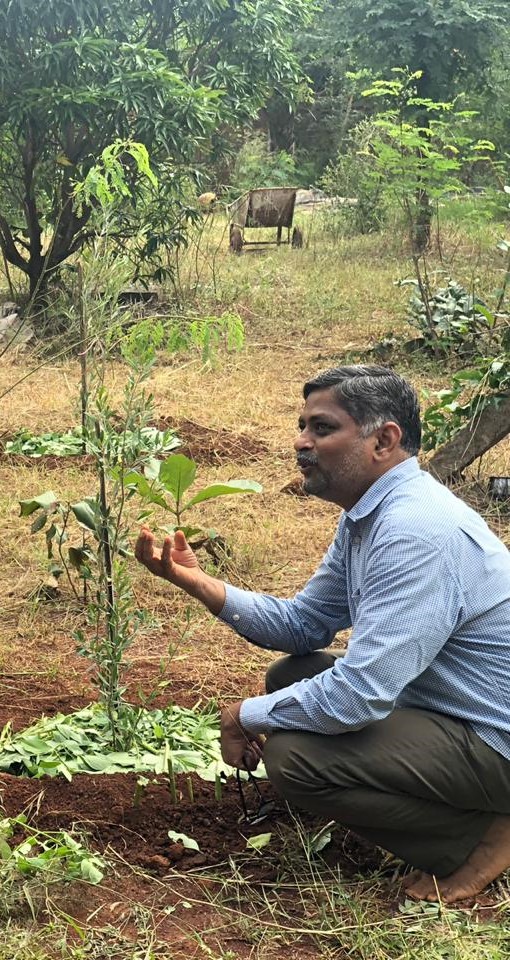
Praveen has been working with farming for more than a decade, with a deep curiosity about soils, ecosystems and how they support diverse life forms. Trained and certified in Permaculture he centers his work around Permaculture and Agroecology systems. He believes that we need to connect with nature and work closely with the methods of nature as we access our food and other needs and that Soil Health = Health of all living systems on earth including Human Health.
Praveen also believes that being with nature, (understanding the rhythms in nature,) working with soil and plants, (and learning to engage in ecosystems that allow diversity to flourish) offers a meaningful daily experience of mindfulness.
More teachers to be added...
We invite multiple teachers for guest teaching for our Fellowship program.
For our previous Fellowships we invited the following teachers (some of whom return each Fellowship)
- Sarala Emmanuel and Dr. Ponni Arasu for a film screening and discussion of If From Every Tongue It Drips (2021).
- Tashi Choedup on mental health and social justice.
- Prakhar Srivastava on law and queer and trans rights in India.
- Bhumika Saraswati on climate change, caste, gender, and mental health.
- Dr. Gitanjali Joshua on secularism and marriage laws.
- Vasudha Nagaraj on family law and mental health.
- Percy Kaki on art practice and anti-caste art, including This Is Protest, a photo archive book on the Tsunduru massacres, caste killings in 1990.
- Shamal Jaykar on noticing the unnoticed and crafting untold stories of resistance to caste-based discrimination.
- Preethi Shanmugapriya on Who Am I, Really? reclaiming identity beyond caste.
- Dr. Ponni Arasu on her personal and political relationship with caste across her work as an activist, therapist, actor, translator, legal practitioner, and historian.
- Devashish on the anthropology of Dalit food cultures and health conditions at the crossroads of caste, class, and gender.
- Ravali on wholeness, community, and care through an anti-caste feminist lens, exploring how caste shapes relationships, lives, and desires, and how dignity, personhood, and deeper connections are reclaimed.
- Dr. Raviraj Shetty and Jehanzeb Balidiwala of Narrative Practices India for teaching the Maps of Narrative Practices.
- Divya Kandukuri and Dr. Raviraj Shetty for Anticaste Practices.
- Mayura Saavi for Ambedkarite Buddhism, mindfulness and mental health.
WATCH OUR LATEST OPEN HOUSE VIDEO ABOUT THE FELLOWSHIP
Our Fellows: 2020-Present
Our Fellows since 2020 include:
Fellowship 1: (2020-21) D.Srivalli, Laliteshwari K.
Fellowship 2: (2021-2022): Zahida War, Akshata Chonkar, Saloni Agarwal, Vaishnavi O.
Fellowship 3: (January 2022-June 2023): Ayushi Shah, Rajeshwari Singh, J.Shravni, Sridevi Kakuturi, Meghna Motwani.
Fellowship 4: (July 2022 – December 2023): Sammy Sahni, Shravani Koduri, Anuradha Singal, Eera Vishnoi, Sahiti Maddi.
Fellowship 5: (August 2023 – February 2025): Dr. Rachna Chollangi, Manasi Udgirkar, Trisha Reddy, B.N. Gayatri, Namrata Ajmani.
Fellowship 6: (January 2025 – June 2026): Anjali Alloria, Anjali Nambiar, Nithya Buragadda, Dr. Ramya Sruthi, Shwetha Kishore.
Reflections on the Fellowship
Reports written by our Fellows and Program Supervisors
Organisations and collectives that our fellows have supported as part of their community based explorations during their fellowship